
bacher-ai now lets AI help manage two more core services of the platform: the LiteLLM proxy and Open WebUI. The new access follows the earlier n8n MCP integration, which already connects AI assistants to a growing set of tools around the stack.
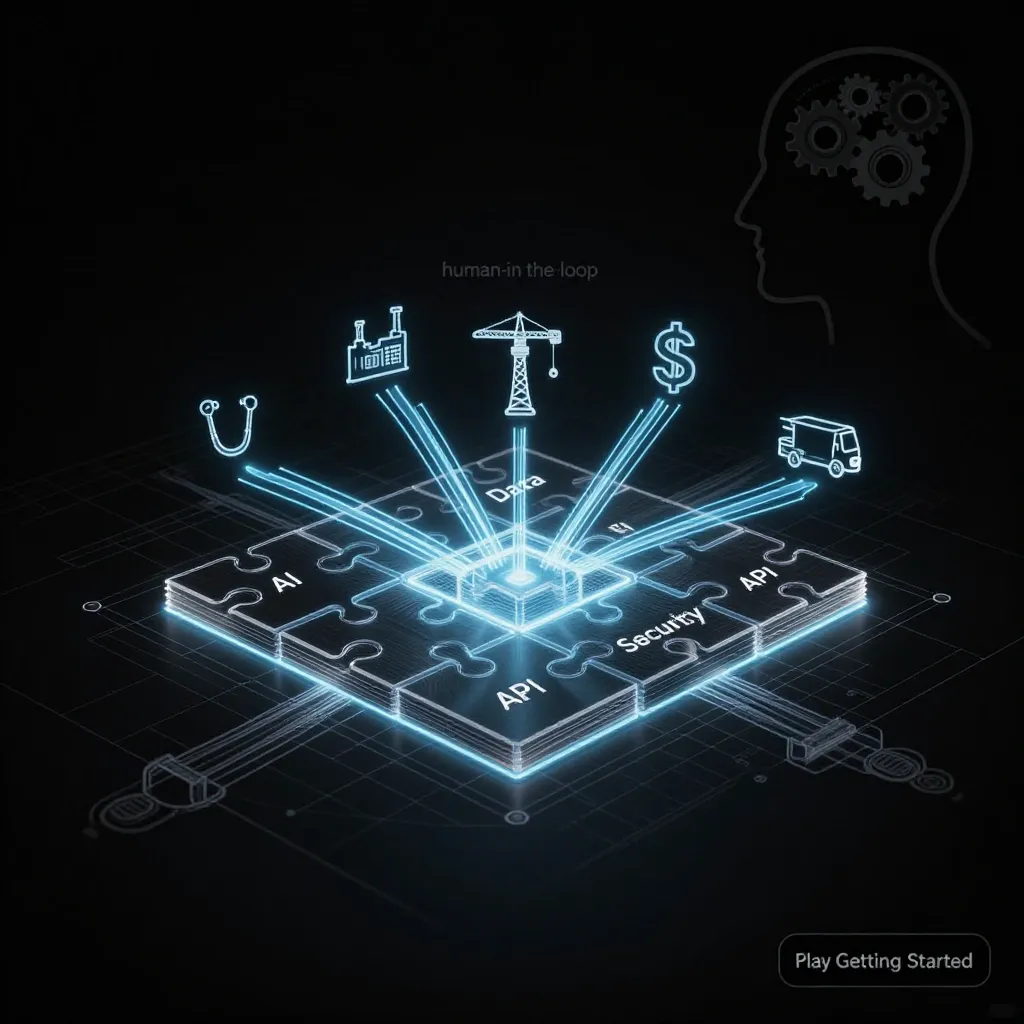
The approach is deliberately narrow. The AI does not get the full API of either service. It gets a fixed set of tools, each wrapped in an n8n workflow that validates input, filters what comes back, and asks for approval before anything changes.
What the AI can do now
For LiteLLM, 16 tools cover the daily routine. They check whether the proxy is healthy and compare the installed version with the latest release. They read model lists with prices and limits, request logs, usage and spend, and the state of virtual keys. They can send a short test chat to a model and compare the Venice models in LiteLLM with the provider’s public catalog to spot retired, missing or wrongly priced entries. Write tools update, block or add models and adjust a key’s models, budget and limits.
Open WebUI gets 29 tools. They check models and presets for problems, run test chats as an admin or as a regular user, and manage functions, tools, skills and prompts. They also read usage statistics.
A typical case: a model stops answering. The AI tests it, reads the failure log, checks whether the provider has retired it, and proposes moving the preset to a working base model.
Safety by design
Giving an AI write access to infrastructure only makes sense with hard limits. They are enforced in n8n, not left to the model’s good behaviour.
- Every change needs explicit approval: 8 write tools on the LiteLLM side, 13 on the Open WebUI side.
- Each write is backed up first, so it can be reviewed and reversed.
- Secrets such as provider keys never leave n8n, and conversations stay out of reach.
- Key budgets are capped, and deleting a model or preset requires switching it off first.
- Test chats run through a separate, restricted account with its own small budget.
Maintenance and the model base
The same access makes AI useful as a maintenance helper. Routines can check for new releases, analyse what a new version brings, and point out security improvements. A human still decides, but the research and preparation no longer take manual effort.
The immediate goal of the LiteLLM and Open WebUI additions is to revisit the model base. Which models are still worth offering, which presets have gone stale, which prices are out of date, and where users get errors instead of answers. These questions are tedious to answer by hand and well suited to a tool that can test, compare and report.
Open WebUI 0.12 is here
A new release of Open WebUI has just been published, and several of its new features will arrive on bacher-ai.com over the coming weeks. We’ll cover them here as they become available.
This is another step toward a platform that is easier to run and keep current. It remains self-hosted and built on open-source components, with AI added as a careful, supervised helper.
Key Takeaways
- AI can now help manage LiteLLM (16 tools) and Open WebUI (29 tools) through n8n.
- Access is limited to a fixed set of tools, not the full API.
- Every change needs approval and is backed up first.
- AI-assisted routines will support updates, feature analysis and security.
- Open WebUI 0.12 has been released, with new features coming in the weeks ahead.